Understanding Engine Displacement and Why It Matters
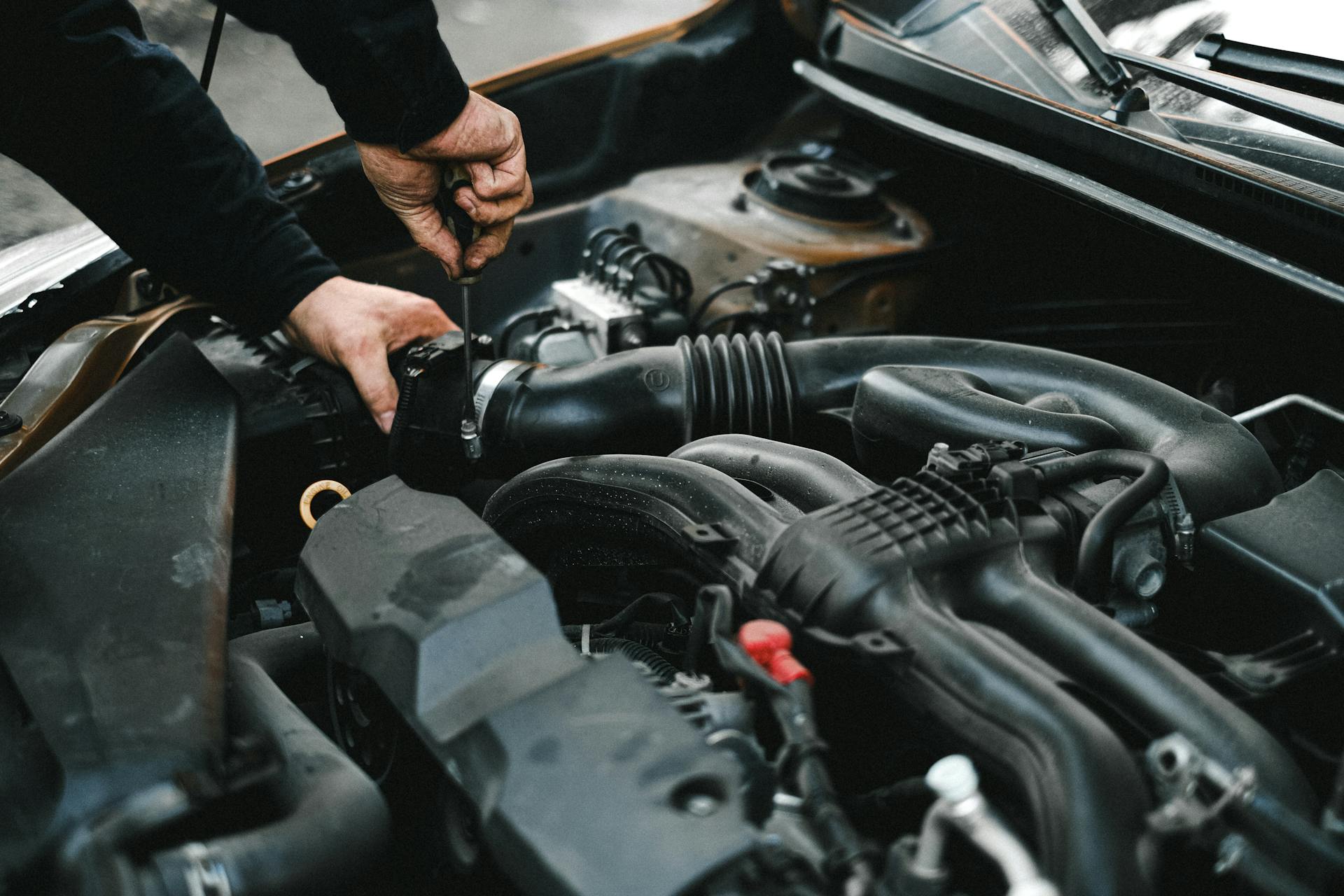
Every car lover has heard terms like “2.0-liter engine” or “V8,” but what do they actually mean? These numbers refer to engine displacement, a key factor that influences your car’s power, efficiency, and performance. Engine displacement measures the total volume of all the cylinders in an engine, and it helps determine how much fuel and air an engine can burn in a single cycle. While it may sound technical, understanding displacement can give you insight into what makes your car tick and why some engines feel more powerful or responsive than others.
What Engine Displacement Really Means
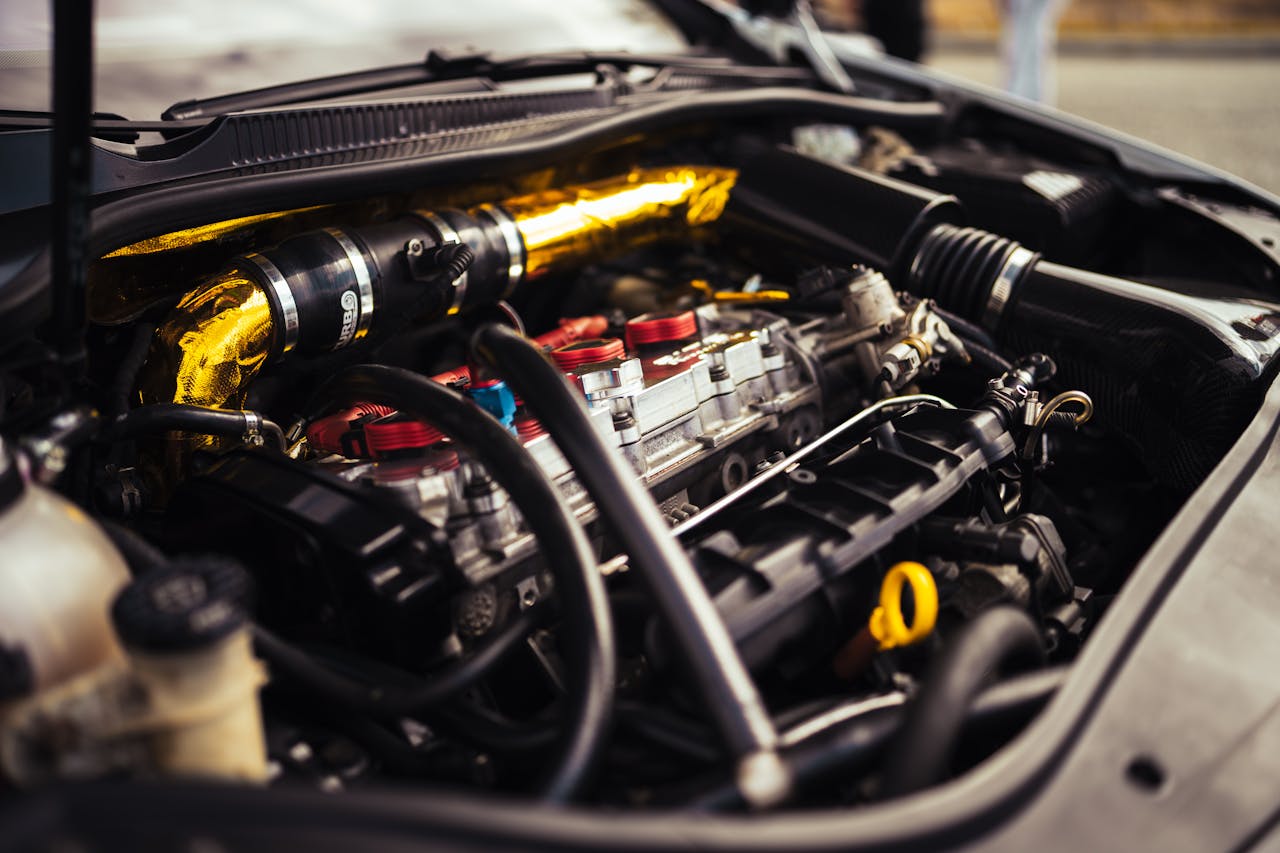
Engine displacement is essentially the total space inside all the cylinders of your engine where combustion happens. It is usually measured in liters or cubic centimeters, depending on the region. A 1.5-liter engine, for example, has a smaller combustion area than a 3.0-liter one, meaning it burns less fuel and air with each cycle. This directly affects how much power the engine produces. Larger displacement engines tend to offer more horsepower and torque, giving you stronger acceleration. Smaller engines, on the other hand, often trade raw power for better fuel efficiency and smoother daily driving.
How Displacement Affects Performance
A bigger engine does not automatically mean a better car, but it does bring some advantages. Vehicles with larger displacement can generate more power, making them ideal for towing, racing, or high-speed driving. However, they also consume more fuel since they burn more air and gasoline per cycle. Smaller engines, especially those with turbochargers, can still deliver impressive performance while maintaining fuel economy. This balance between power and efficiency is what modern automakers strive for. So, when choosing a vehicle, understanding displacement helps you find the right fit for your driving habits and priorities.
Fuel Efficiency and Environmental Impact
Fuel efficiency is often the deciding factor for most buyers, and engine displacement plays a major role in it. Smaller engines generally use less fuel, reducing both running costs and emissions. They are ideal for city driving, where power demands are lower. However, if a small engine is constantly pushed to its limits, it might consume more fuel than expected. Larger engines produce more carbon emissions but deliver effortless power, especially for highway driving or carrying heavy loads. The key is balance: choosing an engine size that matches your lifestyle while keeping fuel and environmental considerations in check.
The Rise of Turbocharging and Hybrid Solutions
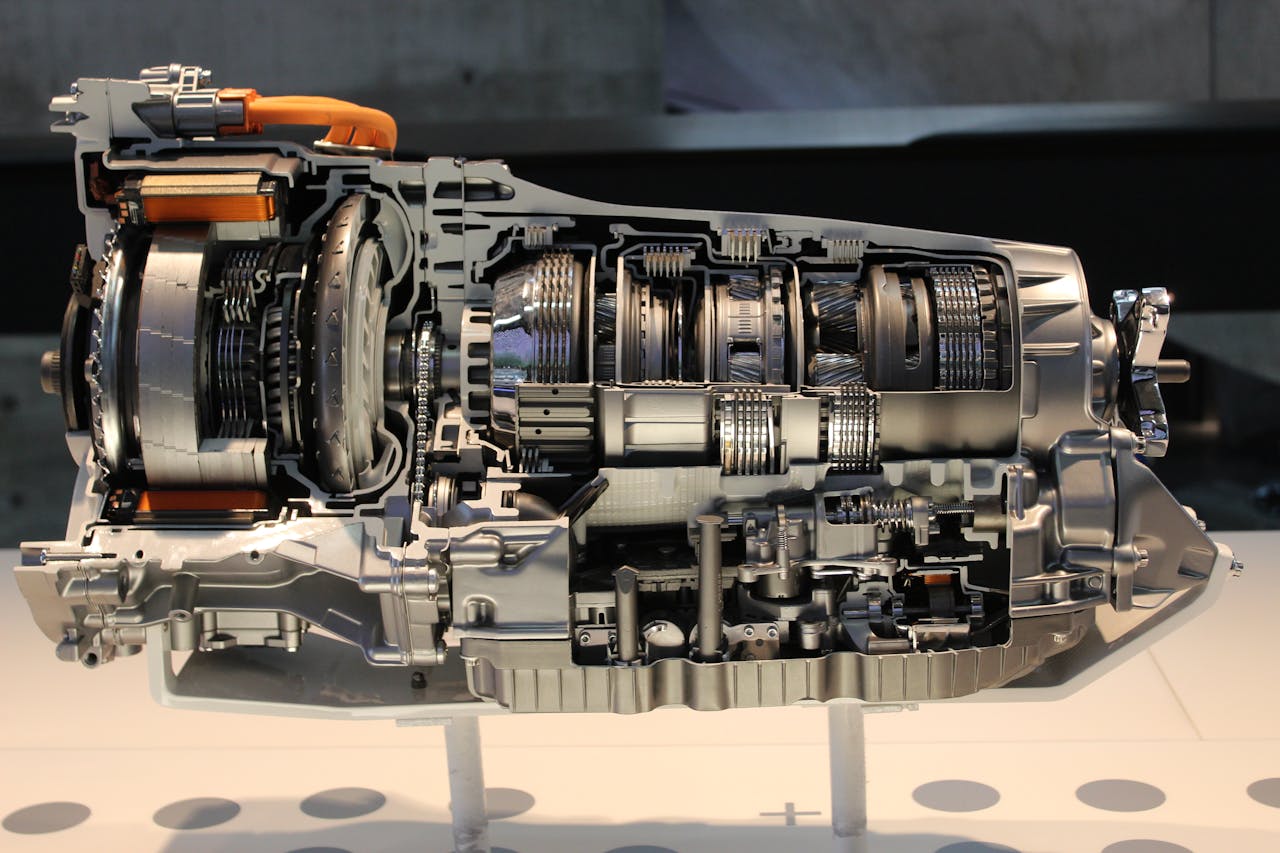
Modern technology has blurred the line between big and small engines. Turbochargers, for instance, allow smaller engines to produce the same power as larger ones by forcing extra air into the combustion chamber. Similarly, hybrid vehicles combine small displacement engines with electric motors to deliver both performance and efficiency. These innovations mean that engine size is no longer the only indicator of power. Automakers are proving that smarter engineering can achieve great results without increasing displacement or sacrificing fuel economy.
Understanding engine displacement gives you more than just bragging rights about your car’s specs. It helps you make informed decisions about performance, fuel economy, and long-term maintenance. Whether you prefer the raw power of a large V8 or the efficiency of a compact turbo engine, knowing how displacement influences your car’s behavior helps you appreciate what is happening under the hood. In the end, the best engine is not necessarily the biggest but the one that fits your needs, budget, and driving style perfectly.